.png)

The summer of 2026 has brought with it an overwhelming, almost palpable sense of aesthetic exhaustion. Step into any high-end gallery from Chelsea to Shoreditch, or simply swipe through the meticulously curated digital feeds of the international avant-garde, and you will notice a stark, undeniable shift in the visual lexicon. The pristine white walls and high-resolution screens are no longer dominated by the hyper-realistic, HDR-soaked, impossibly crisp digital prints that defined the early years of this decade. Instead, you are confronted with heavy grain. You are met with jarring motion blur. You are forced to look at half-closed eyes, awkward angles, harsh, unforgiving flash photography, and raw, unfiltered humanity.
We have, it seems, officially reached the cultural apex of the digital uncanny valley. In a world where a cleverly phrased text prompt typed into a generative AI model can summon a photograph of a weeping child or a triumphant athlete that successfully wins international photography awards—only to be scandalously stripped of those accolades moments later upon the revelation of its algorithmic origins—the cultural currency of the "perfect" image has plummeted to absolute zero. We are currently living through a dizzying era of aesthetic hyperinflation. And the market's response to this sweeping devaluation? A movement prioritizing the messy over the manufactured. Welcome to the Authenticity Movement.
This quiet but fiercely determined rebellion against synthetic perfection is the defining photographic trend of June 2026. It is a wholesale rejection of the "professional look" that has dominated both commercial and editorial spaces for the better part of two decades. To truly understand the magnitude of this shift, one must first look at the corporate forces aggressively pushing the medium in the precise opposite direction.
In late June, the news dropped with the quiet, inevitable thud of a tech monopoly expanding its already sprawling empire: Adobe officially announced its acquisition of Topaz Labs, a move widely reported and dissected by photography industry publications such as Digital Camera World and Fstoppers. For the uninitiated, Topaz has long operated as the dark wizard of artificial intelligence image enhancement. Their proprietary machine-learning models possess the uncanny, almost disturbing ability to take a blurry, noisy, fundamentally flawed disaster of a photograph and miraculously render it into a state of crisp, clinical perfection. Now, this immensely powerful technology is being folded directly into the sprawling architecture of Adobe Creative Cloud and its ubiquitous Firefly AI ecosystem. The software tools required to eradicate every flaw, every stray pixel, and every hint of human error are becoming not merely accessible to the masses, but ubiquitous and largely unavoidable. The machine, it seems, desperately wants to fix us.
But what if we simply do not want to be fixed?
This is the central, provocative question posed by the Authenticity Movement. Generation Z, a cultural cohort that has grown up serving as the unwitting guinea pigs for the grand algorithms of Silicon Valley, has developed a highly tuned, almost preternatural immune system against digital artifice. As noted in a recent cultural analysis by Envato, young creators are leading a mass exodus away from the polished, poreless aesthetic. You know the exact look: the creamy, artificially generated bokeh backgrounds; the impossibly smooth, digitally retouched skin; the hyper-saturated sunsets that appear less like a natural meteorological phenomenon and more like the fever dream of a depressed android. That specific brand of flawlessness is now viewed by the cultural vanguard not as aspirational, but as inherently suspicious, deeply uncool, and frankly, "cringey."
According to recent cultural barometers and industry trend reports, the new luxury is undeniable truth. The movement manifests most obviously in the explosive revival of analog film aesthetics. But make no mistake: this is not merely about applying a nostalgic, retro filter to a digital file via a 99-cent smartphone app. It is a profound philosophical return to the physical reality of the photographic medium. As one prominent cultural critic recently noted in a dispatch from the Copenhagen Photo Festival, traditional film serves as a "physical witness" to a fleeting moment. Light physically traveled through space and struck tangible chemicals on a celluloid strip. A moment actually, undeniably happened. In an endless, terrifying ocean of deepfakes, voice-cloning, and generative imagery, the only anchor society has left is the physical, undeniable trace of reality.
Yet, to categorize the Authenticity Movement as purely a Luddite retreat to the darkroom would be a fundamental mistake. It is also birthing the fascinating era of the "hybrid creator." The traditional, rigid boundaries between the still photograph and the moving image are dissolving at a rapid pace. Modern photographers, particularly those working in the editorial and commercial spaces, are no longer content to simply freeze a singular moment; they are simultaneously capturing cinematic video b-roll, recognizing that sometimes the authenticity of a complex emotion requires the vital context of continuous motion. This emerging genre of cinematic photography—characterized by dramatic, moody lighting, rich, filmic color grading, and deliberate use of slow shutter speed effects—draws heavy inspiration from the streaming culture that currently dictates our global entertainment consumption. It is a vital acknowledgment that human life, in all its messy, unpredictable glory, does not happen in isolated, frozen slices of a thousandth of a second.
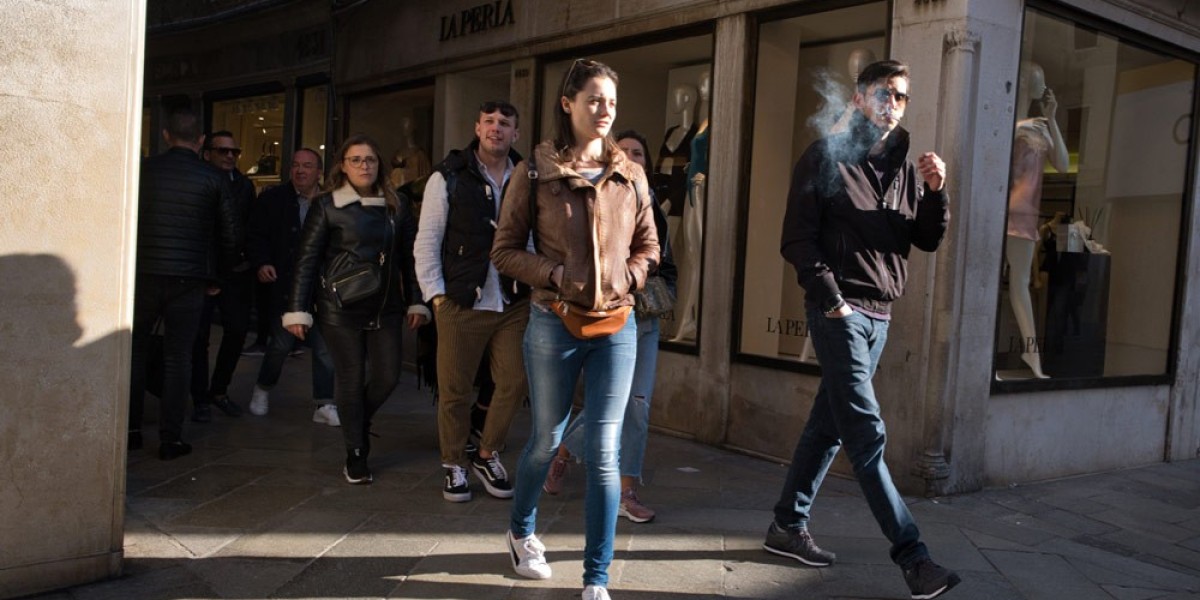
This embrace of the deeply real is visible everywhere you look. Consider the June 2026 LensCulture Street Photography Awards, a prestigious global competition that recently closed its call for entries. According to organizers, this year saw a record number of submissions celebrating the raw, unposed, and beautifully flawed chaos of urban life across the globe. Contemporary photographers are taking to the streets of Paris, Tokyo, and New York not to capture an idealized, romanticized version of society, but to meticulously document the gritty, undeniable truth of it. They are aggressively seeking the beauty in the mundane and the profound in the imperfect.
The urgent push for authenticity is fundamentally reshaping the broader digital landscape, reaching far beyond the insular confines of fine art galleries and directly into the algorithms that govern our daily digital lives. YouTube, the undisputed behemoth of online video broadcasting, has recently been forced to reckon with a massive, tidal wave of AI-generated content flooding its massive servers. In response to audience fatigue and creator backlash, the platform has actively strengthened its monetization policies. As heavily discussed in creator forums this month, YouTube is cracking down on what its guidelines explicitly term "mass-produced" and "repetitious" content. The algorithm itself is slowly learning to punish the synthetic and reward the inherently human.
If you want to fully understand the depth and commercial implications of this massive cultural shift, one must look at how the creator economy is furiously adapting. A particularly insightful exploration of this specific trend can be found in a recent documentary-style breakdown, The Rise of Authenticity in 2026 Video Content, which dissects exactly how social platforms are scrambling to adapt to a global populace that is increasingly desperate for genuine connection.
The underlying message from both the audience and the tech platforms is crystal clear: we demand a pulse. We demand a breathing, fallible human being behind the lens, complete with their inherent biases, their unique, un-replicable perspectives, and their deeply human flaws.
Why does the concept of the flaw matter so deeply to us right now? The answer is rooted in fundamental economics: in an age of generative artificial intelligence, perfection is profoundly, insultingly cheap. It costs a mere fraction of a cent in server farm electricity to generate a flawless digital portrait. It requires zero physical effort, zero emotional risk, and absolutely no vulnerability. But capturing a fleeting, genuine human expression—the way a lover's face looks illuminated by the harsh, unflattering fluorescent lighting of a 3 A.M. diner, the chaotic, terrifying blur of a political protest erupting on a sweltering summer afternoon, or the quiet, unguarded moment of a subject entirely lost in their own thoughts—that requires physical presence. It requires being there. It requires standing in the muck and messiness of the real world, breathing the air, reading the room, and pressing the mechanical shutter at exactly the right, or perhaps perfectly wrong, moment.
The corporate advertising world is, naturally, attempting to aggressively co-opt this grassroots movement. Fortune 500 brands are frantically pivoting their massive marketing strategies away from highly polished, multi-million-dollar studio advertising campaigns and heavily toward raw, user-generated content and partnerships with niche micro-influencers. They have realized, somewhat belatedly and to their great financial peril, that modern consumers simply no longer trust the glossy, impenetrable veneer of traditional advertising. Trust, in 2026, is forged entirely through vulnerability and radical transparency. However, true authenticity cannot be cynically reverse-engineered in a corporate boardroom by a team of brand strategists. It requires a fundamental relinquishing of control, a terrifying willingness to let the seams show, and an acceptance of the wildly unpredictable nature of human reality.
Photography, as an art form and a documentary tool, has always maintained a complicated, deeply fraught relationship with the concept of truth. Since its very inception in the 19th century, the camera has been used both to faithfully document reality and to cleverly manipulate it. For the last two decades, propelled forward by the relentless, exponential march of software development and processing power, we have leaned heavily and dangerously into manipulation. We enthusiastically used the camera as a high-tech tool of psychological escapism. We smoothed our skin, erased our inconvenient blemishes, artificially blurred our messy backgrounds, and radically altered our body shapes, all while desperately trying to construct a flawless, invulnerable digital avatar for public consumption.
But the cultural pendulum is now swinging back with violent, undeniable force. We have collectively looked deeply into the digital mirror, seen the perfectly rendered, utterly soulless faces staring back at us from the void, and we have instinctively recoiled. The Authenticity Movement currently sweeping through photography is not merely a passing stylistic trend or a fleeting aesthetic preference dictated by an algorithm; it is a vital, necessary cultural immune response to a world drowning in synthetic media. It is a collective, full-throated declaration that we would much rather look at a blurry, poorly lit photograph of a real, breathing human being than gaze upon a perfectly rendered portrait of a digital ghost. In the long, hot summer of 2026, the absolute highest compliment one can possibly pay a photograph is no longer that it looks perfect. The highest compliment is that it looks real. And in a global society increasingly dominated and dictated by artificial intelligence, unvarnished reality has officially become the ultimate luxury.