.png)
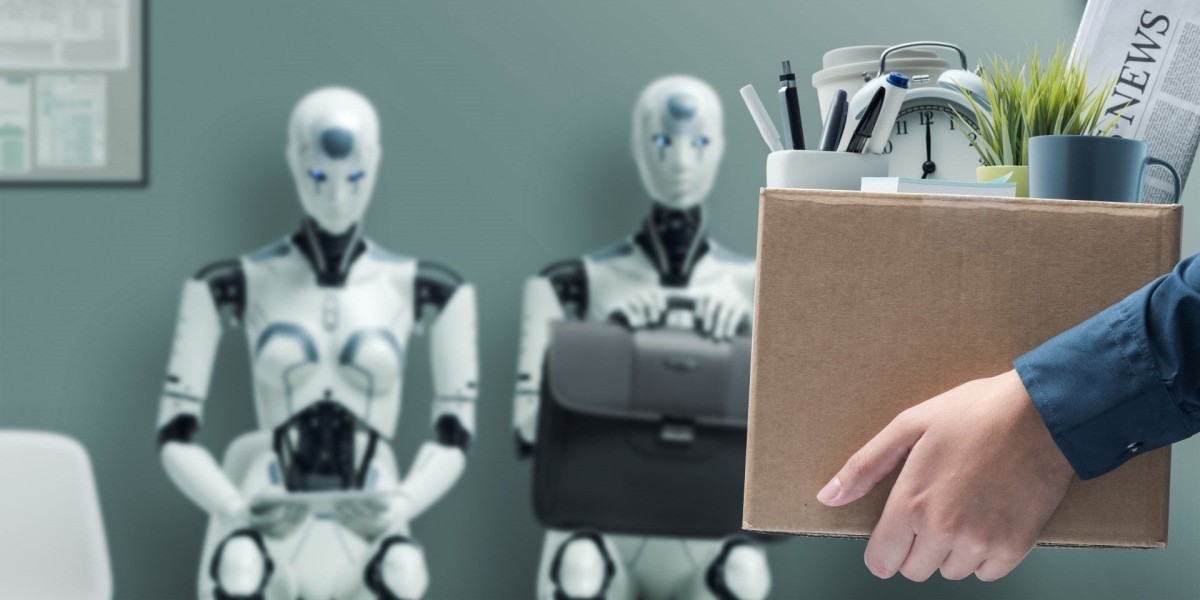

There are many jobs that have a high probability of being taken by Artificial Intelligence in the future. This blog post will explore some of these jobs and how they may be affected during this transition.
It is important to note that AI technology has been around for quite some time, but it is only now becoming more advanced and widely used due to increased research, development, and resources being put into AI tech companies.
The most common job taken over by AI is customer service representatives. In an experiment done by MIT researchers in 2016, chatbots were able to answer 85% of questions posed with 60% accuracy which was better than previous experiments involving humans answering questions on popular websites such as Yahoo Answers or Quora where people answered about 60% of questions correctly. The next most common jobs taken by AI are:
- Restaurant and foodservice workers
- Transportation security screeners
- Administrative assistants and secretaries
- Telemarketers and information clerks
What can be concluded from this is that jobs that involve repetitive tasks without requiring a great amount of creativity or decision-making, such as the ones listed above, are more likely to be taken over by AI in the future.
-In addition, many jobs that involve human interaction and social mingling may also be taken over by AI in the near future. For example:
- Sales people who make cold calls or door to door sales
- Lawyers who meet with clients and take them on court dates
- Teachers who go over reports, grades, and other academic work with students
- Personal trainers at gyms and athletic clubs that help clients through their workout routines.
For the businesses in these industries, taking these jobs over by AI is beneficial for many reasons. For example, opening a fitness center with automated personal trainers would save an immense amount of costs compared to hiring employees because you are not paying benefits such as health insurance or paid vacation days. In addition, most AI technology at the moment does not have emotions or feelings which means they can be programmed to provide a service and answer questions 24 hours a day, 7 days a week without getting tired or sick. This also has the added benefit of being able to collect data from these AI machines about customer habits and preferences which can then be used to generate more accurate results for businesses such as personalized sales calls, highly targeted advertising, and other forms of data mining.
For the employees in these jobs, this transition to automation has mixed effects. There is a universal complaint among everyone involved that technology cannot replace human interaction and emotional connections between employees—customers or clients—and their service providers. This almost always results in businesses losing customers because the customer felt they could not trust the machine to be completely honest with them. This is even more apparent in jobs involving things such as therapy, medical care, teaching, and other professions that require a large emotional factor. In these cases employees who are replaced by AI machines often leave the company feeling very bitter because they believe their services are no longer needed and their job has been taken over by a robot. However, those who have been replaced by AI often do not realize the benefits of having an automated system such as increased productivity and efficiency in different areas of their job that were previously time-consuming. This means it is both good and bad for employees to be taken over by AI.
In the next few decades, AI will continue to replace many different jobs and, as we can see by the statistics in this article, there are very few jobs that are safe from being taken over by a machine. The main factors for determining whether or not a job is at risk of being taken over are repetitive tasks and human interaction. All CEOs and business owners should keep this in mind when making the decision to replace employees with AI. If the job requires little human interaction and is a repetitive task, then there is a good chance that machines can do a better job than human workers. Therefore, it may be wise for business owners to invest in new automated systems if they think their current employees are not enough to handle their company's workload. Having an AI machine or robot will also free up time for employees to take on other tasks and responsibilities that they may have been previously unable to perform due to time constraints. This flexibility in work hours is something many companies can benefit from as well because it allows them the opportunity to hire more employees if needed and then adjust their work hours to fit the needs of their company.
The article is about how more jobs are now being taken over by AI robots and machines. As we can see in the first paragraph, teachers who go over reports, grades, and other academic work with students are at a high risk of being taken over. Then personal trainers are at a high risk of being taken over. This would reduce the cost of hiring employees and also increase productivity because machines can work around the clock and people do not get tired or sick. Some workers have mixed emotions about this because it takes away their job, but some realize that they will be able to accomplish more with less time spent doing repetitive work.