.png)
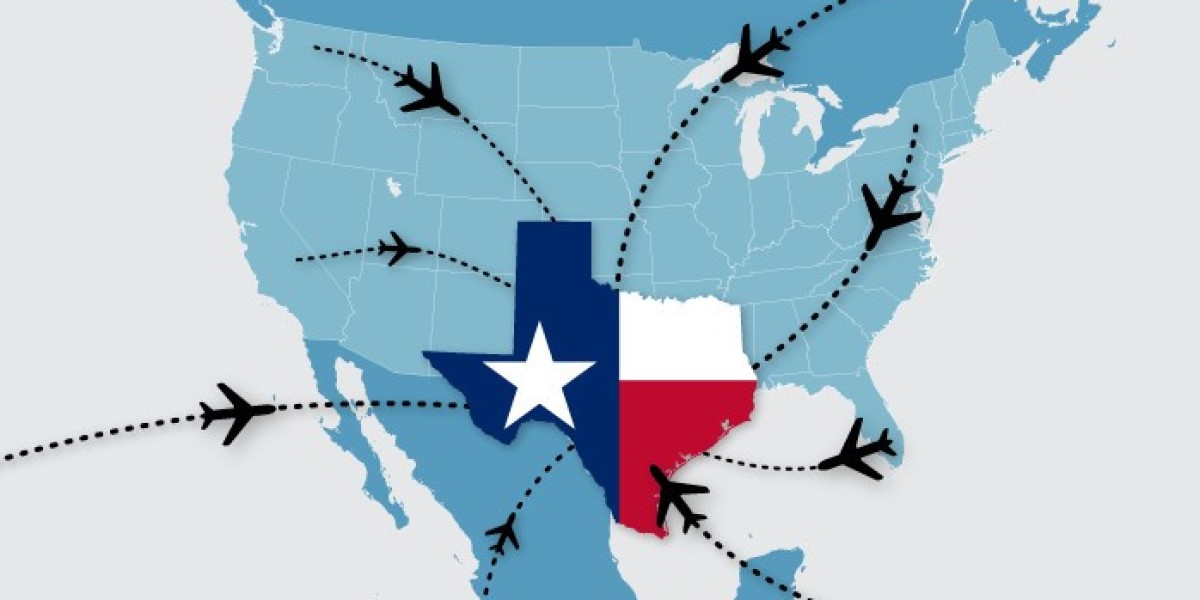

The Lone Star State is a great place to live. There are many reasons why people are moving to Texas, but the most important one is that it's home to 29 million people. The weather is perfect year-round with an average of 300 days of sunshine and has 4 distinct seasons - winter, spring, summer and fall. The food in Texas is as diverse as its population! Foodies will find everything from Tex-Mex cuisine to authentic Cajun dishes at their favorite restaurants across the state. A big plus for any new resident or visitor: Texans welcome visitors with open arms (and stomachs!).
The cost of living in Texas is 34% below the national average. The beautiful weather and low cost of living make Texas an ideal place to live. In fact, if you take into account a variety of factors, including jobs, economy and housing costs, Texas has been ranked by Forbes as the best state for business. And three out of the top five best places to live in America are in Texas!
Texas has no state income tax and no corporate taxes. There's also a low cost of living, making it possible to own your own home and save money! If you need a break from the sunshine, Texas also offers plenty of entertainment, including our favorite pastime - sports! Texas has a variety of professional sports teams, including the Dallas Cowboys and the Texas Rangers.
The state's education system is another plus for any new residents. The Austin Independent School District ranks as one of the top school districts in the country.
If you're still not convinced that life in Texas is better than anywhere else, then you need to check out Texas Living! With information on everything from housing costs, schools and job opportunities to weather and average salaries in each city, it will help you choose the best place for you!
Texas is as diverse as its population. So no matter what your interests are, there's a place for you: whether it's adventures in the sun, music in the park or shopping on the famous River Walk. Or maybe you just want to sit back and enjoy what Texas has to offer from behind your own front porch!
WASHINGTON (AP) — Californians are moving to Texas in droves. The Lone Star State gained 155,000 residents from other states between July 1, 2009 and July 1, 2010, the largest number since at least 1960.
Those who came from California were lured by jobs and affordable housing. Austin is the fastest-growing large city in the country, with a population that rose 4.9 percent last year.
Texas is experiencing job growth not seen since the 1990s but still has one of the nation's lowest unemployment rates, at 8.1 percent in August. California's rate was 12.4 percent during the same month.
The influx of Californians into Texas is part of a larger trend that has seen the state take in more people from other states than it loses. Last year, Texas had its biggest net gain since at least 1990 — there were 181,000 more residents who moved to Texas than left. The state estimates that between 2008 and 2010, 916 people per day moved to Texas.
"The economy in Texas is strong and affordable housing is available," said state demographer Lloyd Potter. "Plus, there are jobs."
Many of the new Texans are settling in Austin and Dallas-Fort Worth; those two metropolitan areas took in nearly a quarter of the new residents moving to Texas from other states. The greater Houston area gained roughly 123,000 people from out of state in the same period.
Texas has been a prime target for Californians in the past. Between 2000 and 2010, California lost a net total of 1.3 million people to other states; nearly two-thirds went to Texas, according to census figures.
Many came for jobs and lower housing costs. The average price of a home in California was more than three times as high as the average in Texas, $370,000 compared with $116,000.
"Texas is the land of opportunity right now," said Jerry Robinette, a veteran television news producer who moved to Austin from Los Angeles in July. "The cost of living here is much lower."
Robinette's new studio apartment costs $750 less than his last place in LA. He also found a job as a manager at a Starbucks coffee shop. He's earning the same salary he made in LA but is making it last longer because of lower housing and gas costs.
Still, California has one major advantage over Texas: jobs. The state was able to temper its job losses during the recession better than any other and still had an unemployment rate of 12 percent at the end of last year. Texas lost more than 280,000 jobs from January 2008 until last December and still has an unemployment rate of 8 percent — below the national average but higher than California's.
It will likely be a few years before many Californians quit their job on television in Hollywood or Silicon Valley to pursue job opportunities in Dallas or Houston. Even with housing prices down and the state's high unemployment rate, California is still a place that produces jobs.
"You can't find a job in Texas, but you can go to California and get one," said Steve Levy, director of the Center for Continuing Study of the California Economy. "That's why people are leaving."
The main reason Texas has been attracting people from other states is because of a combination of the state's low unemployment rate, affordable housing and relatively high income levels. Since 2007, more than 500,000 people have moved to Texas from out-of-state while slightly less than 500,000 have left to live in another state.
All 50 states, including California and Texas, have an "intrastate migration" number because some people move from one part of a state to the other. So even though more people are moving out of California than into it, when you combine all the numbers for both in- and out-migration, there's been a net gain of about 28,000 people moving to California from another state.
The increase in population hasn't slowed down the growth of Texas' top job-producing industries. Production and distribution jobs are up more than 5 percent since the recession ended while leisure and hospitality have seen a robust 11 percent gain. Construction has rebounded with an 8 percent increase since unemployment peaked at 7.6 percent in January 2010, and government jobs have been steady throughout the recession and recovery.
U-Haul's ranking is based on its analysis of the published census data for domestic migration trends as reported by the U.S. Census Bureau from 2008 to 2010, looking at more than 550 moving markets across the United States.
Why California is losing people to Texas and most other states
The cost of housing in California has gotten nearly three times as expensive since the recession began, rising from $186,000 in January 2007 to $370,000 last month -- a 68 percent increase, according to data provided by Zillow.com.
The underlying forces that fuel Austin's growth and will continue to impact the city are must-know factors for those seeking to establish, grow or relocate a business in the city known as America's most 'hipster' city. The growth of "Silicon Hills" has exploded with major businesses relocating or establishing offices in the capital of Texas, including all three of the major U.S. wireless carriers, Facebook, Apple, Google and eBay to name just a few. In fact, Austin added more jobs than any other metro area in the U.S. last year with an economic growth rate of almost 3%.
Last week's SXSW Interactive Festival brought together some 20,000 participants from around the world for a chance to network, present and discuss new trends in technology.
The future is having an impact on Austin now – along with many other cities worldwide – so understanding trends and how they will affect business operations is critical for today's executives as well as entrepreneurs seeking to start or relocate a business. This article takes a look at the five key trends affecting Austin's success – and how they will impact other cities in the U.S. as well.
And, of course, it wouldn't be a good guest post without some shameless self-promotion … so here goes: Yes, I was part of this event last week. Okay – end shameless self-promotion.
What are some of the 'hottest' technologies now – and how will they impact business operations in Austin? A few of the many topics that were presented at SXSW included: 3-D Printing Other Emerging Technologies, Advanced Sensing Technologies That Are Changing The Future Of Cities, Creative Programming And Making Technology Accessible, How Big Data And Social Media Are Disrupting The Future Of Business, Technology Advances To Consider In 2021, Wearable Tech and the Internet of Things, Diseases, killers training: how technology is shaping health care delivery
In conclusion, moving to Texas may be a good idea if you want to follow the latest trends in technology.
As you can see, there is a lot of opportunities in Texas for your business. Don't be afraid to go on the road, expand your branded business and then see where life takes you.