.png)
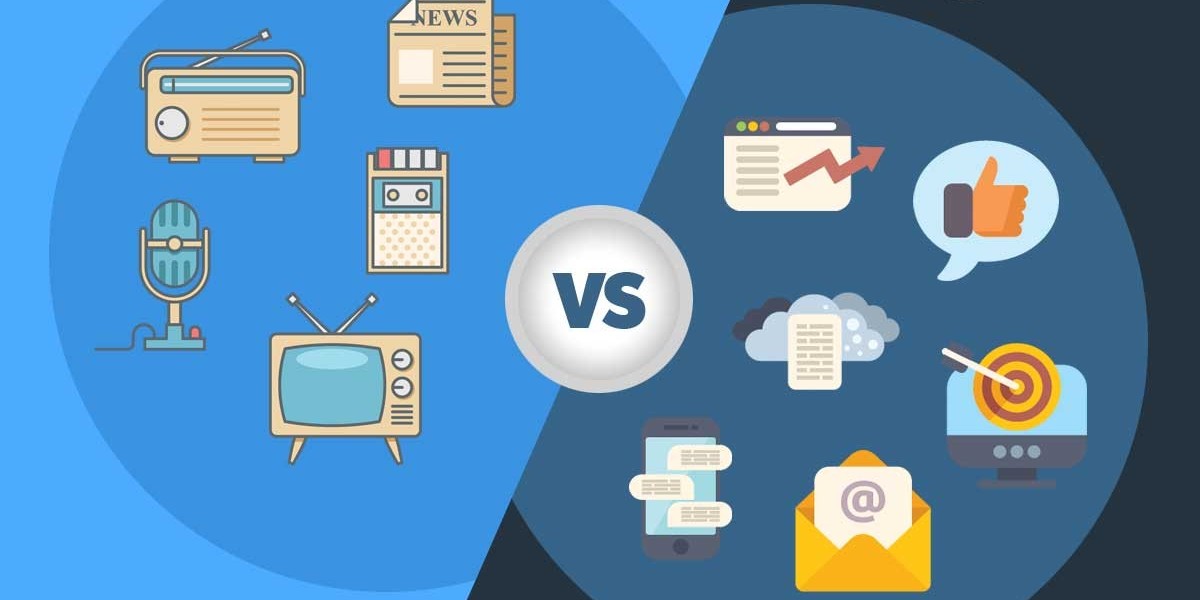

Cable companies, movie theaters, and CD stores have been around for decades. In recent years though these once-dominant forces in the media industry have seen a significant decline in power due to the emergence of digital distribution. Digital distribution is not only changing how we consume media but also which content is being created and consumed by audiences.
As cable providers rely on the internet in more ways to deliver content it is becoming clear that as broadband connection shifts from a luxury item to a necessity, it will cause some of our most established media companies great trouble. In 2011, NBC Universal announced its intentions to discontinue over-the-air broadcasts by 2014. The company has struggled with the transition from broadcast giants to online media streaming.
CD sales are down a staggering 60% over the last ten years
CDs have been around for 27 years and has seen their effect on music sales decline tremendously in recent years. As more people transition to digital services like Pandora, iTunes, and Spotify it seems as though CDs won't be around for much longer as they are slowly replaced by digital streaming. Most people have a large music collection of CDs that contains hours of entertainment but with the advent of digital media and cloud storage, many CDs are now collecting dust.
Movie theaters still charging the same exorbitant ticket prices as when most films were in print
In 2013 movie theater revenue is estimated to be approximately $10 billion. That is down from a high of $10.9 billion in 2002. The number of people going to the cinema has decreased by .7% every year since 2002 and now 90% of filmgoers choose to wait for their films to go into digital distribution or wait until they show up on Netflix or Hulu.
Online video streaming accounts for over half of internet traffic in North America
Online Video Streaming is the fourth largest source of consumer Internet data traffic, behind only email, web browsing and peer-to-peer file sharing. As more people choose to leave cable providers and movie theaters due to high prices and poor availability we are now seeing a rise in streaming media companies. Netflix and Hulu have both seen significant increases in the number of subscribers they have over the last few years, which is also affecting cable providers significantly.
Digital Media/Content sales down 20% from 2008 to 2012
The content that is being consumed has changed drastically over the past decade or so; it used to be that a film would come out and say goodbye to theaters after several months before showing up on our shelves in DVD format. Now with digital media distribution movies are available immediately for downloading or streaming. In addition to this, TV shows are also being released onto the internet as soon as they air which means more people are choosing to forego watching new programs on TV and are instead choosing to watch them for free on the internet.
Piracy has seen an exponential increase over the last decade
Piracy is estimated to be responsible for 10 percent of all internet traffic. It is not only affecting cable providers but also digital media streaming companies, who have both been seeing a significant decrease in subscriptions due to people watching their favorite shows and movies illegally on the internet.
Video game sales down 30% from 2008 to 2012
Video games are also seeing a similar trend in decline as digital media is benefiting companies like Apple, Google, and Amazon who have been able to capitalize on the changing market of trends with video gaming. Steam recently overtook Wal-Mart as the largest PC gaming retailer in the world and saw a massive 55% profit increase. In addition to this console games have also lost market share to mobile devices, with games on phones and tablets now taking up 30% of all time spent playing video games.
Blockbuster is bankrupt
Blockbuster was once one of the largest video rental store chains in the world, with 4,500 stores across North America and Europe. In 2004 they were bought by Dish Networks for $320 million to try to modernize their business model; however, it was not enough. Today Blockbuster is bankrupt and there are only two stores left: one in Bend, OR, and the other in Texas.
CD sales down, digital album sales up more than 50% in a single year
Over the last decade, we have seen a significant decline in music and movie sales; however, this is not affecting all companies equally. Though iTunes has lost market share to streaming services like Spotify, it still accounts for 35 percent of all downloaded music. In addition to this, digital album sales have gone up by more than 50% in a single year.
The internet influences what gets published and produced
Not only is the content being consumed being affected by changes within the media industry but so is the content that is being created and published. Big name journalists recently stated "The idea of the news has changed, not only in the way it is produced and consumed — through social media, citizen reporters and blogging — but also how people feel about it. The old model was that you had to trust us; now we have to earn your trust."
The internet allows for an increase in niche content
With more and more companies becoming online streaming and digital media companies our access to content is increasing, but not at the same rate. The increase in niche content has allowed us to discover new truths and ideas that we never would have if mass media still existed. It has made it possible for people all over the world who are interested in the same subject or idea to come together on the internet to talk and develop a community.
Internet outperforms television in digital advertising by almost 80%
Though there has been a decline in traditional media, it is still important to note that the internet has not replaced all of television's role as a form of mass communication. The internet outperforms TV when it comes to digital advertising by almost 80%.
The internet has created a new realm of creativity and given the average person access to distribution that they have never had before.
Social Media: "Social media is an evolving term for computer-mediated technologies that allow people, businesses and other organizations to create, share or exchange information, ideas and pictures/videos in virtual communities and networks. A social media service's content is created by users and consumers, rather than professional editors or news analysts."
Mobile commerce: "Mobile commerce (m-commerce or mCommerce) is the buying of goods and services through mobile devices. A mobile device is any portable electronic equipment with a communications capability, such as not just cell phones, but also laptops, tablets, smartwatches and e-readers."
Digital music sales: "Digital music sales are booming: Streaming services see 50% increase in digital album sales, as CD sales continue to plummet. The rapid growth of mobile devices and electronics is not only changing how we interact with one another but our personal lives as well. Today's youth spend much more time on their phones than they do at home."
Mobile Internet: "Mobile internet has been growing steadily at a rate of 31% year-over-year for the past six years and is projected to hit 3.8 billion users by 2020; with consumer usage estimated at nearly 6 hours per month which is attributed to the growth of smartphones. More than 30% of mobile time is now spent via apps, which represents an increase from 25% in 2016."
Digital advertising: "Traditional media (television, newspaper, magazines) has been declining since 2008 and digital advertising has seen explosive growth due to the rise in smartphones and improvements in internet speed. A recent report by ZenithOptimedia forecasts that global digital adspend will surpass TV for the first time in 2017."
Location-based services: "Location-based services are a collection of technologies that allow the users' geographical location to be identified. This technology uses positioning systems such as GPS satellite navigation or mobile devices with connectivity to wireless networks (Wi-Fi, cellular) which allows applications and website operators to know where they are at any moment."
Mobile gaming: "Mobile gaming is playing video games on mobile phones or tablet computers. In 2016, sales of these two devices totalled $70 billion which equates to around 3% of the total global video game market. According to a report by PricewaterhouseCoopers, the gaming industry is growing at a rate of 10% year on year. Mobile gaming has also been identified as one of the core sectors within the "freemium" economy (gaming services that do not require cost to download and play but offer in-game purchases), which itself was valued at $6 billion in 2013 and is expected to increase to $7.3 billion by 2018."
Internet of things: "The internet of things refers to the connection of uniquely identifiable embedded computing devices within the existing Internet infrastructure. More precisely, it is defined as a global infrastructure for the information society, which enables the creation and deployment of a new generation of services and applications. These services and applications can be monitored and controlled remotely across existing network infrastructure, creating opportunities for more direct integration of the physical world into computer-based systems, resulting in improved efficiency, accuracy and economic benefit."
Madison Avenue is the heart of global advertising and thus a key force in the creation and development of media content. The major motion picture studios, television networks, broadcast radio stations, cable channels, and recording labels all operate within this unique district which attracts high levels of marketing investment by multinational companies seeking to influence American consumers. Madison Ave. has not been immune to changes in the media market as traditional distribution for major media outlets has been disrupted by these new digital technologies.
The first major shift in Madison Ave came about with the advent of television. With this change, companies were no longer able to advertise their entire product line on a single poster or billboard advertisement located at strategic traffic points around New York City. Advertisers were forced to advertise multiple products on television which had a lower cost per impression and helped them reach their specific target audience (Shaffer, 2012).
The second major shift came from the advent of cable television. Cable companies started as small businesses linking local communities together with an electronic network to share programming. The largest of these cable companies emerged as a direct competitor to the broadcast networks and were able to increase their power through the creation of specialized cable channels. By purchasing regional sports, music, news and business channels, cable companies were able to reach niche markets which broad broadcasting could not service effectively with its national advertising (Shaffer, 2012).
The third major shift on Madison Avenue was due to the Internet. The internet allowed for a new type of distribution that enabled consumers to decide what media content they consumed and how they consumed it. Media companies could no longer control which products were advertised through traditional means such as television or radio stations (Shaffer, 2012).
The new digital medium has empowered the consumer with unprecedented access to media content which is changing the way people consume media. This access has created a situation where the consumer decides what products they wish to purchase and how many of those products they wish to purchase. Traditional media companies such as movie studios, TV networks, radio stations, and major publishers are feeling this change unlike in any previous era (Shaffer 2012).
The internet has opened up a new channel for media companies to distribute their content. This digital medium has created an environment where consumers can immediately gain access to content such as movies, music, books and video games which was previously only available by purchasing the physical media (Shaffer 2012). Digital technologies allow consumers direct access to this content which is facilitated by consumer devices such as personal computers, cell phones and gaming consoles.
Digital distribution has also brought about new companies that are seeking to monopolize access to media content. These new conglomerates have a level of control over their consumers not seen in any previous era. Instead of consumers being able to freely select what music they listen too or purchase books from whatever publisher they choose, consumers must now pay a monthly subscription fee to access their content. The emergence of Netflix and Amazon Prime is both changing the way we consume media as well as which content will be produced for us. In addition, companies like Facebook are drastically changing how targeted advertising will work in the future (Shaffer 2012).
The internet has also brought about a new type of service that connects the consumer directly with media producers. With companies like Kickstarter and Indiegogo, consumers are paying for digital goods in advance before they are produced. These services have helped consumers to support independent creators as well as created a platform where other types of films and media can be taken from concept to completion (Shaffer 2012).
Media companies have also seen changes to their distribution due to the emergence of digital media. These new services provide a different type of revenue structure that frees up resources for media companies as well as enables them to control their own destiny (Shaffer, 2012). For example, instead of paying large royalty fees to movie studios and record labels in return for their content, Netflix, Pandora and Hulu can now afford to operate independently (Shaffer 2012).
These new digital distributors have also given the consumer greater control over what media they produce and consume. Through crowd funding platforms like Kickstarter, consumers are able to provide feedback that shapes products, services and directly funds its development (Shaffer 2012). This has created an environment where the consumer is much more active in the media creation cycle than was seen previously. This level of participation creates a symbiotic relationship between the consumer and producer as both are invested in the success of each other (Shaffer 2012).
Media companies have also experienced changes to their marketing strategies due to shifts in digital distribution. Traditionally movie studios have used blockbuster films to draw in consumers who would then spend their money on the accompanying merchandise. The film "Avatar" for example, which grossed $2.7 billion, was accompanied by an extensive line of toys and products (Shaffer 2012). However, the rise of digital media has changed how these companies market their content as well as affected which content is produced.
The internet allows companies to provide a direct relationship with their consumer that was never previously available. This has created an environment where consumers are more in control of the media they purchase and consume (Shaffer 2012). For example, many now stream movies and shows from Netflix instead of going to a movie theater. The ability to stream content online has also allowed for a new type of marketing that gives consumers instant access to trailers and other types of promotional content in order to decide which movies they want to see. This instant access combined with the rise in streaming media consumption is changing how traditional media companies market their product (Shaffer 2012).
The internet has also empowered consumers who have now begun to produce and market their own content through services like YouTube. Web content creators such as Felicia Day, who created the popular web series "The Guild", are able to use these new digital networks to build up an audience before moving into other more traditional media channels (Shaffer 2012). The rise of YouTube and similar platforms has given rise to a new type of celebrity that is not only empowered by their fan base but also controls it (Shaffer 2012).
This has led some web content creators like Zoe Quinn, creator of the game "Depression Quest", who recently quit her job as a programmer to create full time web content, to question whether the shift towards digital media will cause fewer talented people to pursue more traditional careers (Shaffer 2012).
These changes in how digital media is distributed and marketed have also led to a decrease in traditional programming. For example, broadcast networks are seeing a decrease in what they can charge for advertising leading to a drop in revenue of $4.5 billion since 2008 (Shaffer 2012). This shift is also creating a challenge for these companies as they struggle to adapt their traditional business model to the new digital age (Shaffer 2012).
Digital media has led to many changes in the way content is being produced and marketed. These changes are forcing both industry leaders and consumers to rethink how we consume our favourite programs, movies, music and more.
How is the issue perceived by different stakeholders of the industry?
The rise in digital media will change how traditional channels market and produce their content. This new era of digital media has allowed for more direct relationships between consumers and producers as well as empowered these consumers to become active participants in shaping the content they choose to consume. Research has shown that these changes in media consumption and production have been met with resistance by some stakeholders of the industry. The traditional media companies complain that they are having to compete against major internet corporations which can outbid them for talent and product (Shaffer 2012). They argue that the internet is not paying its fair share of taxes while at the same time distributing pirated versions of movies, tv shows and music (Shaffer 2012). This piracy has cost these companies billions in revenue as they continue to struggle to find a viable business model that will allow them to survive the digital era (Shaffer 2012).
Internet producers and consumers have also voiced concerns that the internet is trying to take over all forms of media distribution. Traditional content producers such as music labels have been concerned about the decrease in sales that has come along with the rise of digital media (Shaffer 2012). With lower prices and easier access to these products consumers are buying less music and movies.
What is driving pressure for change?
There are many factors that are forcing traditional media sources to rethink their business model. One major factor that is driving the need for change in these industries is the shift in how consumers are choosing to consume media (Shaffer 2012).
A recent study shows that 76% of people now prefer to stream their music over buying hard copies of it. Similarly, 54% of those questioned said they would watch a movie on a streamer like Netflix over watching it on a cable channel (Shaffer 2012). This study shows that the demand for digital media is growing while interest in traditional forms of media are decreasing.
The shift to digital media has also had an effect on how audiences view their favorite programs (Shaffer 2012). For example, HBO's hit show "Game of Thrones" has seen its ratings increase by over 10% since the show was made available for download on iTunes (Shaffer 2012). This study shows that audiences, even those who traditionally watch content on traditional outlets, are willing to get their favorite shows and movies from any source as long as they have ease of access.
In response to the shift to digital media traditional media outlets have had to make major changes to their business models. For example, in order to continue to market and sell content these producers must now rely on the advertising they can garner from online sources since profits from CD sales and movies are falling (Shaffer 2012). Digital media requires the companies that produce it in order to maintain a massive user base to generate enough advertising revenue to remain in business (Shaffer 2012). This creates a large number of stakeholders that all must be happy for the company to make any money. With so many people invested in each decision made by media companies, these groups are able to put pressure on them and push for change.
What is the impact of the change in approach?
In order for these media producers to remain viable, they must seek out new markets that will allow them to maintain their power and size (Shaffer 2012). Unfortunately, many are finding it difficult to gain access to these foreign markets. Companies in other countries operate under strict rules and regulations that keep competition at a minimum and prevent any disruptive threats from arising (Shaffer 2012). These producers must therefore develop new strategies to overcome the obstacles that exist in these foreign markets.
One approach that is proving successful for many media organizations is the development of partnerships with major internet corporations such as Google, Amazon, Hulu, Apple, Netflix, and others (Shaffer 2012). By partnering with these corporations media companies are able to overcome many of the obstacles that face them and open up markets that they would not normally have access to (Shaffer 2012).
Another response has been for some media organizations is to offer a subscription service where people can purchase their products online; giving consumers more choice in what they view and listen to (Painter 2012). By allowing people to have access to a massive amount of content these media sources are targeting the many niche groups that exist in today's society. Painting domestic markets with such a wide brush is an approach that has been successful for companies like Netflix and Pandora (Painter 2012). With this model, instead of putting all your eggs in one basket, you create a variety of different baskets that have different target audiences. When one basket is empty you can switch to another and get back in business quickly (Painter 2012).
The growth of these types of companies shows the massive changes in digital media distribution by challenging traditional outlets for content creation and consumption. The downfall of many once dominant firms in both the music and movie industry, such as Blockbuster Video and Tower Records, is an indication of how modern media consumption has changed (Painter 2012). With increased access to online content providers, consumers are limiting their time spent with traditional outlets. Instead of spending five hours a week watching Netflix viewers now spend eight (Painter 2012).
This study confirms that the internet has begun to dominate modern media distribution by offering many more options than traditional outlets. Online content providers, such as Netflix and Hulu, are changing how we view and create media because they allow for massive advances in how we consume content (Painter 2012). These distributors allow individuals have a say in which shows or movies they want to see and then cater to those requests.
How is the change influencing society?
With this newfound access to media content comes new responsibility for these companies (Painter 2012). They are now responsible for ensuring that they are abiding by all civil laws in whatever country they distribute their content (Painter 2012). In the past, there was a lot less worry over the illegal copying of media because it was so difficult to do (Painter 2012). Now with digital distribution more individuals have taken on the task of illegally downloading movies and music.