.png)
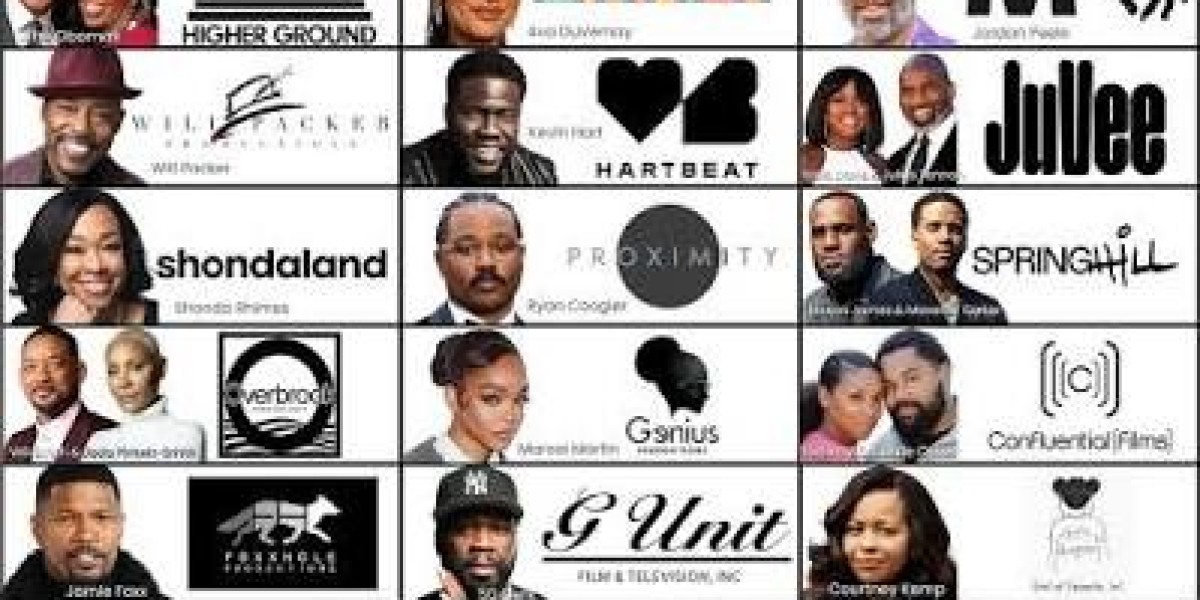

I'm going to be honest with you, I don't know if black-owned media companies are disappearing. But what I do know is that there has been a huge decline in the number of Black-Owned Media Companies and publications since 2010. There were once over 100 Black-Owned Media Companies but now we're down to just 39. This means that more than half of these businesses have either gone out of business or changed ownership from African Americans to white people. That's not right!
In the past year I've talked to a lot of media groups about this issue. Some have drawn conclusions and others aren't aware, but all seem to agree that it is an alarming trend. The National Newspaper Publishers Association (NNPA) has kept records on black-owned publications for decades as they are in the business of publishing newspapers (some of which are black-owned). They mention in their recent report that there was a decline of 7.6 million newspapers being distributed over 2004-2014, and attribute the majority to the internet utilizing technologies (smartphones, etc.). Although they don't have the statistics on how many Black-Owned Media Companies went out of business in 2014, they do state that during the first quarter of 2015 there was a decline of 1.1 million newspapers over 2014 with the majority being Black-Owned Publications (3.7 million).
In contrast, The Federal Communications Commission DOES keep records on Black-Owned Media Companies and says that since 2000, the number has dropped from 623 to just 39. This is shocking to me considering that African Americans are the second-highest media consumers, just behind Hispanics. I personally feel like this is a huge issue because now it's easy for the mainstream white-owned media to portray whatever they want about Blacks and other minorities without our voice being heard. If we don't have Black-Owned Media Companies to tell our own stories then who will?
So as we get ready for black history month, let's not forget that it's important to OWN your own media. If you have a large platform share this article and raise awareness for the fact that our stories are disappearing. Every time I post about how much I love my Black-Owned Media Companies on Facebook, people call me biased, but when they are no longer here what will we have to come together for?
Let's uplift our black-owned media as much as we possibly can.
Black-owned media companies have declined significantly in number since the early 1970s, but data shows that black participation in traditional and new media is increasing.
In 1970, there were 335 black-owned firms publishing 500 or more magazines, newspapers, and journals; however, as of 2008, this number had fallen to 100. In 1975 there were 816 black-owned radio stations; in 2008, there were 669. In 1975, there were 54.2 black-owned television stations; in 2007 this number had fallen to 35.
African Americans and the mass media
Despite the decline of Black media ownership since the 1970s, African Americans are increasingly participating as consumers and producers of various new media.
As a whole, African Americans are the second-largest consumers of Spanish language print media in the United States. In 2003, black households were 2.5 times more likely than non-Hispanic white households to read Spanish-language newspapers. Black-owned Hispanic publications accounted for about 55 percent of all U.S. Hispanic weekly newspapers in 2007. These newspapers sold an average of 645,000 copies per week. That same year 1.35 million African Americans read a Spanish language newspaper, which represented a 5 percent increase over 2003 (Jackson 2008b).
As of 2006, there were more than 736 radio stations owned by black individuals or governed by black-controlled management companies. Of these, 243 stations were primarily targeted to an African American audience and 514 stations played urban music.
As of 2007, there were about 1,500 black-owned radio broadcast companies. Collectively these businesses owned 669 radio stations in 72 metropolitan areas, which accounted for about 18 percent of all African American-targeted radio brands. This figure is up from 1,422 stations in 2006 (Jackson 2008a).
According to the Federal Communications Commission's (FCC) annual survey of broadcast ownership diversity, African Americans own or have a majority interest in 50 television stations. As of May 2009, there were also 910 black-owned full-power radio station applications pending before the FCC (Jackson 2008c ).
Black media influence
Despite the decline of black-owned newspapers in recent decades, African Americans continue to find them influential. A 1999 study found that 74 percent of African American respondents had read a black-owned newspaper within the previous week compared to 76 percent of whites who read one.
African Americans also rely on radio as a news source. According to a 2006 Pew Research Center survey, African Americans are more likely than whites (by three percentage points) and other groups to report getting political news from the radio.
Video games
Although black participation in video game development has increased since the early 1990s, there remained few opportunities for them in this industry by 2008. However, the number of black video game players increased during that time. In 2008 African Americans regularly played games on personal computers and game consoles at a higher rate than members of other racial groups.
Black bloggers have influenced the online public sphere since 2002 (Dabashi 2007). In 2006, an estimated 11 percent of adult Internet users read a blog at least occasionally, and black people were more likely to do so than whites or Hispanics.
Conclusion
African Americans are increasingly using new media as both producers and consumers. However, despite the growing number of African American participants in this endeavor, traditional mainstream news organizations continue to act as gatekeepers for many in the African American community. This imbalance has led many African Americans to question the role and importance of these mainstream news organizations.
African Americans have used new media to break through this gatekeeping. By doing so, they are increasing their voice in the larger public sphere, achieving a measure of control over how they are perceived by others.