.png)
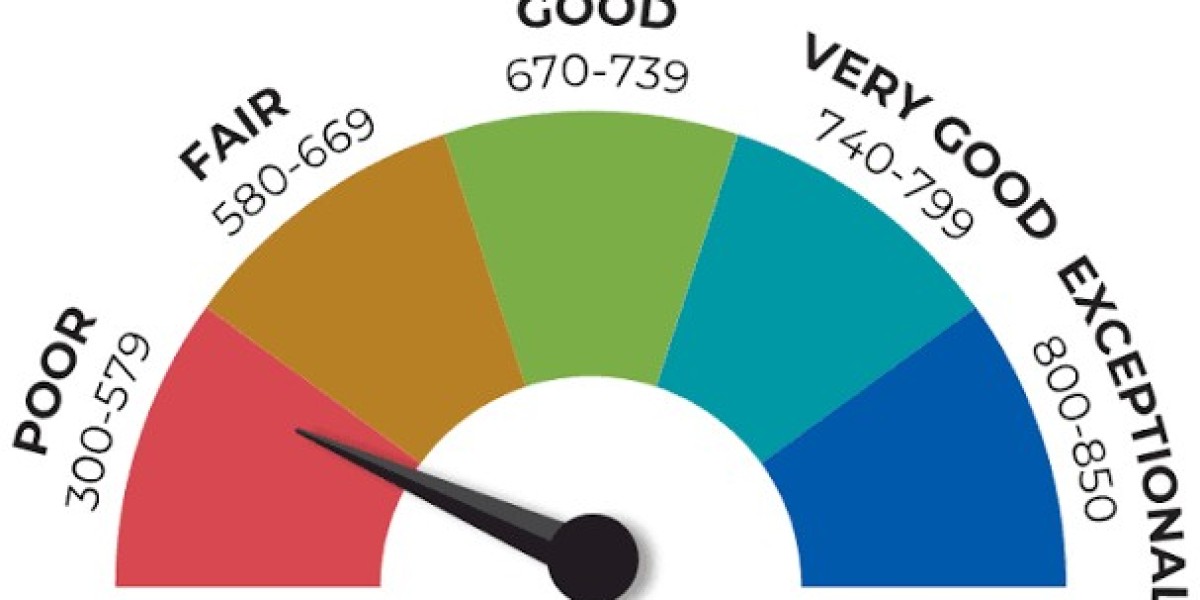

The credit rules are changing and it's important to know what these changes entail. The new FICO score is going to include factors like unpaid medical bills, the number of bank accounts you have, how many times you've applied for credit in the past two years, and your loan-to-debt ratio. This means that even if a person has perfect payment history on their current loans they could still be denied credit because of other factors. Be sure to read about these changes so that you're prepared!
By now we're all familiar with Credit Karma - an app that lets us check our TransUnion scores for free any time we want. It sounds too good to be true but there's one catch: You can't get your FICO score. So what's the difference between your TransUnion and FICO scores and why won't Credit Karma just give us our FICO score? Today we'll talk about how to check our own credit reports, the difference between a FICO score and other credit scores, and what that all means for you!
Credit Report vs. Credit Score
In a previous article, I went over how important it is to make sure you're periodically checking your credit report for inaccuracies. Now that we know why it's so important, let's talk about what exactly you're looking at when you get your credit report.
A credit report tracks your personal credit history and details anything that could affect whether or not you can get a loan. It includes things like where and how many times loans have been applied for, the types of credit that are available to you, and if your current bills are being paid on time. If there's any other information in your report it will be included here as well - like criminal activity or public records.
The FICO score, on the other hand, is a number that banks and credit card companies use to help determine if they want to give you a new line of credit. It's important for them to know how likely you are to pay back the money that you owe - after all, not every company can afford another Enron situation! The FICO score was developed by the Fair Isaac Corporation and is used by most banks to determine if someone's credit is good enough for them to lend their money. It uses different categories of information from your report to reach its conclusion:
● Amount owed ● Available credit ● Length of credit history ● Number of recent inquiries ● Types of credit in use ● Recent credit behavior
It's not uncommon for someone to have a good FICO score but still be denied credit - and that means there's probably something in your report that needs to be fixed. What types of things can end up on a person's report? It can range from incorrect information to people who haven't paid their bills on time to discharged bankruptcies. The important thing is to know what's on your report and how it affects your credit score.
The New FICO Score: What You Need To Know
There are a lot of people who wonder why we can't just have our FICO scores given to us by Credit Karma or any other company that gives us access to our credit reports. The reason is that FICO scores are copyrighted and the Fair Isaac Corporation doesn't want to just give out their proprietary information. They use the data from TransUnion and similar companies to develop their models, so giving us access to this information would be like handing someone a key to defeating your security system.
It's not a matter of if you're going to be denied credit because of something on your report - it's a matter of when.
The most recent FICO score model, called FICO Score 9, uses "dynamic scores," meaning that it switches up the information that is used in your score based on what sort of loan you're applying for. For example, a mortgage lender will be looking at things like how long you've had credit and why your score might have gone down recently. A business loan or credit card company, on the other hand, will be more focused on the type of credit that you're requesting (like if it's a new line of credit or not) and whether you can afford to pay them back.
There are also a few changes that you will see on your credit report because of these new models:
● Delinquencies due to identity theft or unpaid medical bills will be reported seven years from the date they were first reported - instead of seven years from the time they were resolved.
● A collection account can remain on your report for seven years from the date it was reported - instead of seven years from when you were no longer responsible for the debt.
● Charge offs that have been paid will be reported as paid in full, and charged-off accounts are only factored into scores for ten years after they first appeared on a credit report.
The new FICO Score is an attempt to keep the information that affects credit scores more up-to-date with how people actually use their credit. While it's not perfect, you can be sure that there are Fair Isaac employees working hard to listen to users like you and me and make the FICO score even better.
You won't just find data considered negative for you. You're also going to find out positive information about yourself, like how many months it's been since you've had a payment over-limit and whether you've applied for any new credit lately.
Fixing What's On Your Report
While TransUnion touts the FICO Score 9 as being a superior measure of someone's creditworthiness, they also write that the information on your report is likely to affect your score. The FICO Score ranges from 300 to 850 - a higher score indicates that you're more creditworthy.
If you're sitting there with a FICO score of 700 and are thinking about applying for a home loan, it's probably not going to be the end of the world if you're rejected. However, you might want to see what's on your credit report and get it fixed. If you do find errors on your report or other information that is affecting your score, you can file a dispute with TransUnion directly through Credit Karma.
If there are accounts missing from your credit report or if the information is inaccurate, you'll be able to add those details and get them corrected. Then, you can apply for loans or credit cards again knowing that your report is as accurate and positive as possible.
So what does improving your score mean? It means increasing how much money you save on interest payments - if you pay less in interest every month, there's more money in your pocket.
But it also means getting a loan when you need one, like that new car or home you've been dreaming of.
And who doesn't want that?