.png)
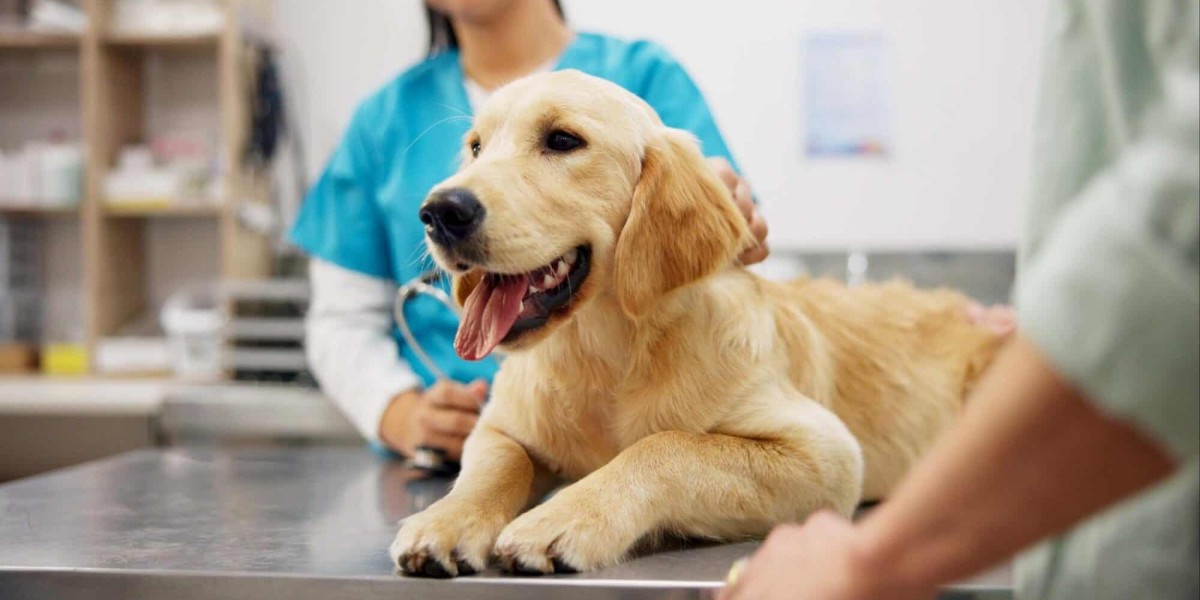

You may have never thought about it, but dog insurance is a thing. It's not something many people think about until they've either had an unfortunate accident or their canine best friend has been diagnosed with cancer. The truth of the matter is: accidents happen and dogs can get sick. And because some breeds are more likely to develop certain illnesses than others, it's important for owners to be aware of what type of coverage they might need in order to protect themselves financially in case anything happens.
A new survey by Benji's Friends, an organization that provides medical care to dogs of low-income families, has revealed which dog breeds are more likely than others to see cancer. The survey was given three times over a two-year period and included the responses from 1,200 pet owners.
The top 11 most common cancers among dogs are: lymphoma, mast cell tumors, osteosarcoma, melanoma, bone cancer, oral cancer fluke cancer, blood-related cancers (leukemia), skin and subcutaneous tissue related cancers (basal cell carcinomas/squamous cell carcinomas), liver related cancers (hepatocellular carcinomas) and dog cancers that have yet to be discovered (cryptogenic).
While many dog owners are well aware of the devastating effects cancer can have on their dog, the highest rates were among Irish Terriers and Scottish Terriers (12.3 percent), Golden Retrievers and Boxers (11.9 percent) and Pomeranians and French Bulldogs (11.8 percent).
The dog breeds with the lowest rates of dog cancer were: Samoyeds and German Shepherds (9.1 percent), Great Danes and Shiba Inus (10.4 percent) and Bernese Mountain Dogs, Dachsunds and Rottweilers(9.6 percent).
The dog cancer research comes on the heels of another dog study that found Labrador Retrievers and Golden Retrievers, along with English Bulldogs and Bull Mastiffs, are among an elite group of dog breeds at risk for narcolepsy. Common symptoms of narcolepsy include falling asleep without warning and nighttime sleep attacks. While the dog breeds with narcolepsy risks are still in the minority, dog owners should take steps to protect their dog from everything, including possibly unforeseen illnesses.
The dog cancer study was conducted using responses gathered from dog owners and pet insurance claims data. The research also revealed that Chihuahuas, Maltese and Yorkshire Terriers were the dog breeds with the highest claims.
The dog cancer study also found that dog owners living in warmer states – like Florida and Texas – were more likely to file dog cancer insurance claims than dog owners in colder climates. This may suggest there is a correlation between dog cancers and certain dog lifestyles. It's important for all dog owners to look out for dog cancer symptoms and take every step to protect their dog from any potential illness.
Working dog breeds were more likely to develop dog cancer, with the highest dog cancer rates being found in: personal protection dogs (10.6 percent), service dogs (9.8 percent), search/rescue dogs (9.4 percent) and herding dogs (8.5 percent). The dog breeds associated with the lowest dog cancer rates were: toy dog (7.6 percent), companion dog (7.2 percent) and sporting dog (4.3 percent).
The study also revealed that dog owners who lived in rural areas were more likely to file a dog cancer claim than those dog owners who lived in urban or suburban areas. The dog cancer study also found dog care costs for cancer treatments were, on average: $6,572 per dog (for dog cancers that have been discovered), $4,899 per dog (for dog cancers yet to be discovered) and $2,553 for dogs suffering other types of illnesses.
Dog parents should keep dog cancer issues in mind when dealing with dog health care costs, including dog insurance. Policies that cover dog cancer treatments often come at a higher price than dog insurance plans that don't include specific dog cancers. All dog owners are encouraged to discuss their dog's circumstances with an independent pet insurance provider before making any decisions about protecting dog health.
"Dog cancer is something dog owners must always be on the lookout for," said Amy Doner, founder of doghealthandsafety.com , "but dog cancer can largely be prevented if dog owners have dog insurance."
The dog cancer study was conducted by doghealthandsafety.com in partnership with Trupanion Pet Insurance. doghealthandsafety.com is the Internet's leading dog health and safety site, with dog cancer-related topics, dog insurance information and dog health research regularly featured on the website. Trupanion Pet Insurance provides coverage for more than 300 dog breeds with a range of dog health care benefits including: dog cancer treatment, preventive care and dog wellness/dental insurance. dogcancerinsurancequotes.com is an online dog cancer insurance quote tool that provides dog owners with dog health care cost information in seconds, allowing dog parents to choose the right dog health plan for their dog's needs.
For more information about dog health issues and dog cancer-related topics please visit doghealthandsafety.com dogcancerinsurancequotes.com is doghealthandsafety.com's dog cancer information portal and dog insurance quote engine for dog owners looking to make informed decisions about dog health care costs, choosing the right dog insurance policy and comparing dog health plans.