.png)
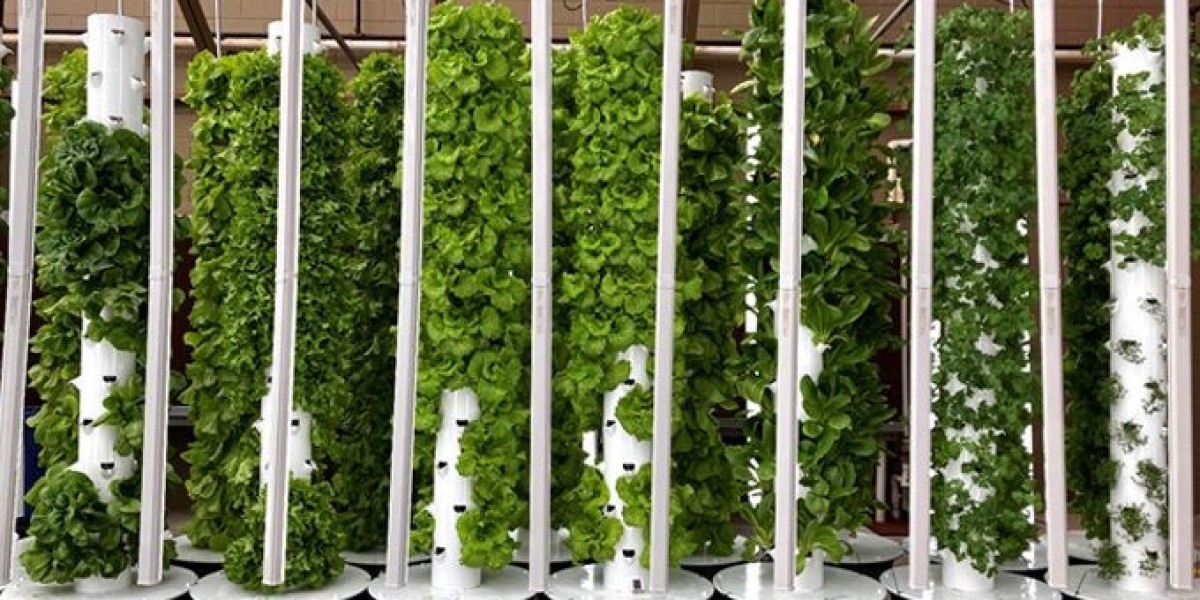

If you're a homeowner who wants to reduce your carbon footprint and save money on food, consider vertical gardening. Vertical gardens are perfect for small spaces, require little maintenance, and can be grown in both sun or shade. In this blog post, we'll discuss how much space is needed to grow a vertical garden, what materials you will need to create one, the benefits of having one at home, and how easy it is to maintain.
Vertical Gardening: How Much Space Do You Need?
The first question that often comes up when people think about vertical gardening is "how much space do they take?" Well, it depends on how tall your plants are! If you're planning on growing taller plants like tomatoes or cucumbers then make sure you leave enough space (such as on a porch or patio or even porch) for them to grow. If you're looking to plant mainly herbs and leafy greens, then you will need much less space.

Benefits of Vertical Gardening
Vertical gardens are great because they utilize vertical space rather than horizontal ground space so you can save a lot of ground space in your yard or on a balcony. They offer a variety of benefits for you and the environment around you.
First, let's look at the benefits for you. Vertical gardens can be used to grow vegetables, herbs, flowers, and even fruits so you have fresh access to healthy foods all year round. Second, they provide insulation for your home and prevent heat loss in the winter and heat gain in the summer. Third, they can reduce noise pollution by providing a barrier between you and loud traffic or train noises. Finally, they can provide entertainment as you watch your plants grow and change over time.
Now let's look at the benefits for the environment:
Vertical gardens help reduce water runoff from rain by providing a filter for the runoff. By having plants on your rooftop you will lower the temperatures in urban areas which decreases energy used to cool buildings. Vertical gardens can also improve air quality by absorbing carbon dioxide and producing oxygen.
What You Need To Build A Vertical Garden
So now that we understand how much space we need and the benefits of vertical gardening let's look at what you'll actually need to start this project.
Assemble or purchase a shelving unit that is able to hold your plants (hint: this can be made out of old 2×4's, wood boards, cinder blocks etc.) Find some containers like window boxes, baskets, buckets, or bins that can hold soil. If you are looking for an environmentally friendly option the best choice would be to use plant pots made out of recycled plastic bottles. You'll also need some type of drainage system like a piece of wood board with holes drilled in it, gravel or small stones at the bottling of your containers, and finally, fill your containers with soil.

Where To Place Your Vertical Garden
As you can probably tell from the materials list, vertical gardens are perfect for areas that receive direct sunlight. If your area doesn't get any sun but has sufficient shade you could try having your garden on a south-facing wall so it still gets some indirect sunlight. You will also want to place your garden somewhere you and others (if you live in a house) will see it. That way you're more likely to take care of it and enjoy the fruits of your labor!
Maintaining Your Vertical Garden
It is important that you only add organic matter like compost, manure, or blood meal to your soil because chemical products can contaminate the water supply. Make sure you water your plants regularly, but don't over-water them because this can lead to root rot or mold growth. If you are planting vegetables make sure they get enough sunlight and keep them away from each other so they have sufficient space to grow.
You should also take into consideration that as your plants grow, they will be able to support themselves and you won't need to water them as much. As we mentioned before, if you live in a house with other people make sure you all agree on the care of the garden or come up with a schedule to make sure it gets adequate attention.
Eco-Friendly Gardening
As we mentioned before, vertical gardens can reduce noise pollution. If you are looking for a way to reduce your carbon footprint, maybe consider planting trees to help filter the air in urban areas or create shade on hot days. You can use water-saving techniques like using black mulch which absorbs sunlight and helps cool the plant.
So now that you know why vertical gardening is good for the environment, how about trying it yourself?
Trends in Vertical Gardening
Vertical gardening is not actually a new technique. People have been creating structures to hold growing plants for many centuries. What's new about it these days is the emphasis on saving space and the availability of synthetic materials which allow you to do this more easily than ever before. You can now build structures out of plastic or metal pipe, metal wire, vinyl, or plastic netting. The benefit of doing it this way is that you can create a garden that is not only functional but also very aesthetically pleasing. Vertical gardens are popular with people who live in small homes or apartments and for those who want to grow vegetables without using up too much room in the yard. The newer materials allow you to build a garden which is fun and interesting in addition to being functional.

One of the issues people have about vertical gardening is that they think it looks messy. However, with a little imagination you can design a beautiful structure for your plants so that they look attractive in any setting. It's really just a matter of choosing the right materials and putting them together in a suitable manner. Depending on the type of structure you build, it could become a focal point for your garden or a decorative accessory that can be part of your home's décor.
Here are some tips from professionals who have been designing and building vertical gardens:
- Any indoor plant can be grown vertically as long as its final pot size is no more than three times bigger than its root ball.
- To make sure that your plants don't tip over, you need to ensure that their centers of gravity are below the point where they're attached to the wall or other structure you've built. You can do this by adding more soil on one side of the plant or moving the pot toward the back of the structure.
- For common vegetables such as tomatoes or cucumbers, you should plant them much closer together than they would be in a traditional garden (about 1/2 to 3/4 inches apart) because their stems will be tied to the structure and won't need to provide any support for themselves. You can do this by cutting the bottom off of the milk jug and poking a couple of holes in it. Fill with potting soil, plant your seedling inside the jug, and you now have a self-watering container that will make growing tomatoes or cucumbers much easier than ever before.
- When planning out your vertical garden, keep it simple. Don't overdo it with too many different plants in a complicated structure. People can get carried away and end up with a big mess instead of a beautiful garden.
- Think about what you're going to plant before you build. You have to decide whether or not your plants are going to be grown from seeds, from cuttings, or from starter plants. You also need to figure out how much room you need for each type of plant and whether or not they'll be self-pollinators, perennials, annuals, or vegetables which need to be replanted yearly.
- If you're going to use your vertical garden as part of your décor, keep in mind that some plants will grow much better than others. Common indoor plants such as ferns, African Violets, and Dracaenas make great additions to vertical gardens because they're attractive when left alone and they add to the décor of your garden.
- To make a hanging basket or planter which you can use on a balcony, patio, or rooftop garden, suspend a half-inch mesh pot inside of an outer container made from materials such as bamboo or aluminum which will allow water to drain out. This way the soil where your plant has been growing can easily dry out and this prevents mold and mildew from forming on the leaves.
- If you're going to build a hanging planter, determine the width of your support structure first and then measure around it. You can then cut two pieces of PVC piping or other materials to form an inner and outer ring which is the same size as the base, but with enough additional space so that you can attach them together using bolts and washers. Drill two holes in the top and bottom of both rings to allow for drainage. Next, attach some wire mesh to the outside of your structure using plastic ties. This will be used to suspend your hanging planter from it.
- Wooden structures can be very expensive sometimes so you may want to use other materials instead such as bricks or cinderblocks. To make these structures stable, use mortar to secure them together.
- If you're using wooden planks or beams to construct your vertical garden, drill holes into them at specific intervals which are large enough for the bottom of your PVC piping (or other drainage materials) to fit through.
- When cutting openings in wood beams or planks, use a circular saw to cut them into the right shape and then use an electric sander or hand file to smooth out any rough edges.
- If you're building your vertical garden on a house, be sure that the structure is secure enough not only for itself but also for all of the plants which are going to be growing on it. A strong framework of wooden planks or beams is necessary to provide the proper support for all of your plants and keep them from falling off of the wall.
- Make sure that you don't attach any materials to the exterior of your house without first consulting with a structural engineer or certified contractor. Whatever piece you build may look really cool, but it has to be able to withstand the weather conditions of your area. If it's not, you could end up with a big mess on your hands which is going to be very expensive to clean up or repair.
- Vertical gardening is great for people who don't have much land available for farming but still want to grow their own food. It can also be used as a space-saving way to garden if you live in an apartment, condo, mobile home, or other small dwellings.
- Perennial vegetables such as asparagus and rhubarb can take up quite a bit of room so these types of plants are perfect additions to a vertical garden. They're also fairly easy to care for because they don't require replanting each year.
- Climbing vegetables like cucumbers, squash, and pole beans are perfect for vertical gardens because they grow upwards instead of outwards so the plants won't take up too much space. You can also let them climb up a trellis or attach them to some bamboo poles in order to save space.
- If you want to grow your crops vertically, try using tepees. Simply construct three or four wooden poles and then attach them together at the top with rope, wire, or twine. Next, take some branches from shrubs such as elderberries and weave them through the poles so that they stay in place. Plant seeds of beans, peas, tomatoes, cucumbers, or other crops in the ground underneath the tepee, and they'll grow up through the openings you create when weaving the branches.
- With vertical gardening, many of your plants will be growing upwards so it's important to consider how much sunlight each one needs in order to acquire enough light for photosynthesis. If there are some that won't get enough light on their own, be sure to add a few grow lights so they can still produce the food and flowers you want.
- Vertical gardening is becoming more and more popular as people realize how practical it is for growing crops and keeping plants in small spaces such as backyards and patios. This type of gardening is much easier than stepping over and around rows of plants as you tend to them.
- If you don't have a lot of room for gardening, try using the space on the sides of your house or on your porch or patio. You can plant different types of vegetables or you could make hanging pots that are suspended from the walls with wire or string.
- You can also use vertical space for flowers or ornamental plants such as artichokes and sunflowers. Just be sure to leave enough room between them so they won't interfere with the growth of your fruit and vegetables.
- If you want to add some greenery to your property without having much sunlight available, consider lining your driveway with shade-loving plants such as hostas.
- If you really want to be creative, try planting your crops in old tires which you've stacked so they lay sideways on each other. You can also use anything else that's round and has lots of open space inside. Just insert some dowels or wooden stakes into the ground and then tie the plants onto them so they won't fall over.

- If you don't have a good place to plant your vertical garden, you can try using a wall or fence instead. You can attach metal poles to the exterior of your house and then plant vines, flowers, or other climbing plants on them. This way you'll be able to use your vertical garden all year long instead of just during the summer.
- Vertical gardening is much easier than traditional methods since you won't have to do much work to prepare the soil or maintain it once everything gets planted. All you'll really need to do is water it occasionally and pick the vegetables when they're ready.