.png)
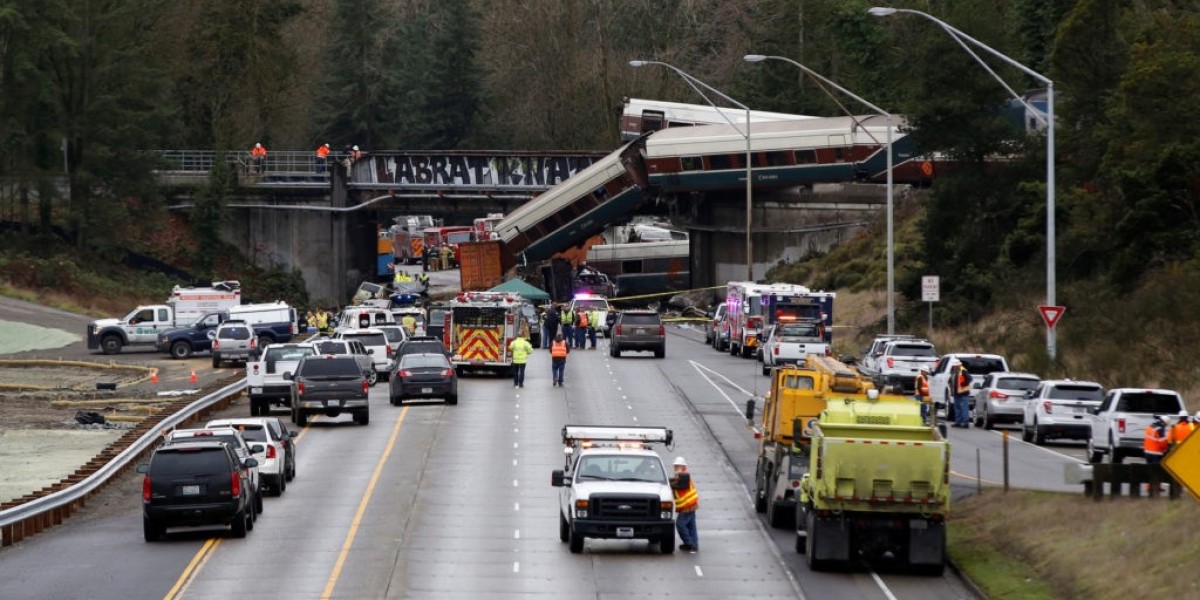

The United States infrastructure is in need of major repairs. The American Society of Civil Engineers (ASCE) has given our infrastructure a D+ grade and estimates that it would take $4.6 trillion by 2020 to repair all the bridges, dams, roads, airports and other public structures across the nation. This blog post discusses some ways we could go about raising this money while also investing in job creation for Americans so they can make a difference on their own home turf.
In addition to repairing what's already broken, we should invest in new technologies that will help us manage our water supply better during droughts as well as help us produce more renewable energy sources like solar power and wind power which will also create jobs for Americans! We should also invest in technologies that will help us transition towards a more zero-emission transportation network.
The truth is, the United States can afford to do all of this and much more! The wealthy among us have rigged our political system so that they pay very little taxes and leave it up to middle-class families to make up the difference... According to the Tax Policy Center, the wealthiest 0.1% of Americans pay only 18.8% of their income in taxes while middle-class families pay up to 25%. The federal government can raise an additional $180 billion per year by closing tax loopholes for corporations and the wealthy (noting that these are just estimates).
In other words, we have the money to invest in infrastructure and new technologies right now, all we need is the political will.
Here are some ways we could raise money:
1. Pass a $10/barrel oil tax. There's no doubt about it - our oil use is rapidly accelerating us towards climate disaster due to greenhouse gas emissions. According to the International Energy Agency (IEA), we need to keep the global temperature rise under 2 degrees Celsius and yet, the International Panel on Climate Change estimates that we're already halfway there.
We need a new approach to energy -and here it is! The United States consumes 19 million barrels of oil per day. If we taxed every barrel at $10 per barrel, we'd raise $190 billion alone from oil imports! This is just the start - we could tax other fossil fuels and all exports as well.
2. Federal income tax on high-income people. Under President Obama's plan to raise taxes on families making over $250,000 per year to their historic Clinton era rates (up to 39.6% from the Bush-era rates of 35%), we could easily raise $150 billion per year in federal income taxes.
3. Federal inheritance tax on wealthy estates. We now live in a country where billionaire families like the Waltons can get together and decide how to hoard their billions instead of giving it back to society as they should... This sort of behavior is destroying the middle class and exacerbating wealth inequality! As a result, the richest 0.1% own nearly as much as the bottom 90% of Americans.
A federal inheritance tax at bequest rates for estates over $5 million could raise up to $70 billion per year! This would make it so that no one can leave more than $5 million without paying 40% of it to the government.
4. Raise capital gains taxes. Capital gains are already taxed lower than wages in America, which is ironic considering how much they help finance our election campaigns. You'd think that this sort of thing would be illegal, but instead, it's just a very poorly thought out law.
President Obama has proposed raising the capital gains tax from 23.8% to 28%, which would raise $16 billion per year for the federal government! This is just the beginning though - we could set it at 50% and put an end to income inequality once and for all by reversing decades of GOP policies that favor concentrated wealth.
In addition, higher tax rates on investment income raises the incentive to invest in start-ups and small businesses. This is a huge driver of employment growth and it would be nice to see something other than Wall Street getting all the money again!
5. Reduce corporate tax loopholes. We have a federal corporate tax rate of 35%, but corporations actually pay less than 12% on average (and closer to 9%) through a series of loopholes.
Enough about raising taxes.
We all know that the U.S. is falling apart from within, crumbling slowly but surely and taking its people with it down the dark abyss of apathy and inaction. Wherever you go--whether it be your home, a major city, or out in the countryside--you will see examples of this decay almost everywhere you look: run-down neighborhoods, broken streets, unkempt parks and buildings, garbage-filled backyards where children once played, potholed roads and highways with little or no upkeep, overgrown greenbelts abandoned by local governments who are too busy dealing with their own problems to care about their neighbors' property.
The list goes on.
The economic crisis of the late 2000s further accelerated this decline. What little money we had was concentrated in urban areas, leaving rural and suburban communities to go begging for funding from their local governments. Oftentimes, they were left high and dry with no help at all; even if these poorer communities did receive funds from higher levels of government, they often went to the wrong places, with too much money reserved for urban areas and not enough left over for rural and suburban ones.
And yet there is one issue that is rarely discussed in the media, even though it's the result of a long-term systemic problem rather than just some passing crisis: our decaying infrastructure. This includes roads, bridges, highways, and other transportation-related facilities; municipal utilities such as water systems and wastewater disposal pipelines; waste disposal sites for garbage and other refuse; drinking water supplies; and power grids--all of the systems that connect the country in a single cohesive unit.
The exact numbers are unknown, but there's no doubt that these various facilities are slowly degrading and becoming more unreliable. Many highways, roads, and bridges have not been properly maintained for years due to budget cuts, causing them to break down and collapse from overuse. However, there's a lack of funding for repair work as well; all the money has been spent on urban areas where people live, and relatively little was left over for rural communities where fewer people reside. And so we have roads that give way, bridges that collapse under their own weight or from heavy traffic, water supplies that are unfit for consumption, and more.
The problem will only continue to worsen in the years to come as the U.S. infrastructure continues to degenerate; already many communities have had to reduce their municipal services due to budget cuts and other financial problems. The result is an entire country that's slowly slipping down the slope of economic decline, and soon we may face yet another crisis that pushes us over the edge.
Only when people wake up and realize what is happening around them will things change for the better; otherwise we are doomed to watch our civilization fall into a heap of rubble without even having had a chance to stop it.