
*Date: June 13, 2026*
In the blistering, smog-kissed heat of a mid-June afternoon in Los Angeles, there is a palpable friction in the air—a sudden, undeniable sense of an industry caught squarely between the romanticized ghost of cinema past and the algorithmic, ruthlessly efficient certainty of its future. If you were to sit in the Polo Lounge at the Beverly Hills Hotel right now, nursing a forty-dollar McCarthy salad, the whispered conversations floating over the ambient clinking of crystal would not merely be about weekend box office grosses or the archaic concept of a star’s quote. Instead, the dialogue has mutated into a strange, hybridized lexicon. Producers in unstructured linen suits and towering executives in quiet-luxury cashmere are casually tossing around terms like "prompt engineering," "token budgets," and "creator pipelines," seamlessly blending them with the traditional anxieties of back-end participation and opening weekend tracking.
Welcome to June 2026, a hinge moment in the history of pop culture and film production. This is the month where the tectonic plates of the entertainment industry are violently shifting, forcing a collision between the grand, sweeping traditions of old-school Hollywood auteurs and the encroaching, democratized digital frontier of artificial intelligence and internet-native creators. It is a month of massive blockbuster releases, unprecedented technological milestones, and a pop music renaissance that serves as the glittering soundtrack to a revolution.
To understand the sheer scale of the dichotomy currently defining the movie business, one must first look at the traditional theatrical marquee, which is currently buckling under the weight of sheer, unadulterated nostalgia and elite Hollywood pedigree. June traditionally belongs to the summer blockbuster, and the studios, battered by years of streaming wars and shifting consumer habits, have unleashed their most reliable titans. The most breathlessly anticipated event of the season is undeniably Steven Spielberg’s return to the genre that cemented his legacy: science fiction. His latest opus, *Disclosure Day*, which premiered to feverish global fanfare on June 12th, represents the apotheosis of the classical Hollywood model. It is a film crafted with the deliberate, sweeping majesty that only an auteur of Spielberg’s vintage can command. According to recent box office analyses by *Forbes*, *Disclosure Day* is not merely a movie; it is a cultural event designed to remind audiences of the sacred, communal experience of sitting in the dark and gazing up at the silver screen.
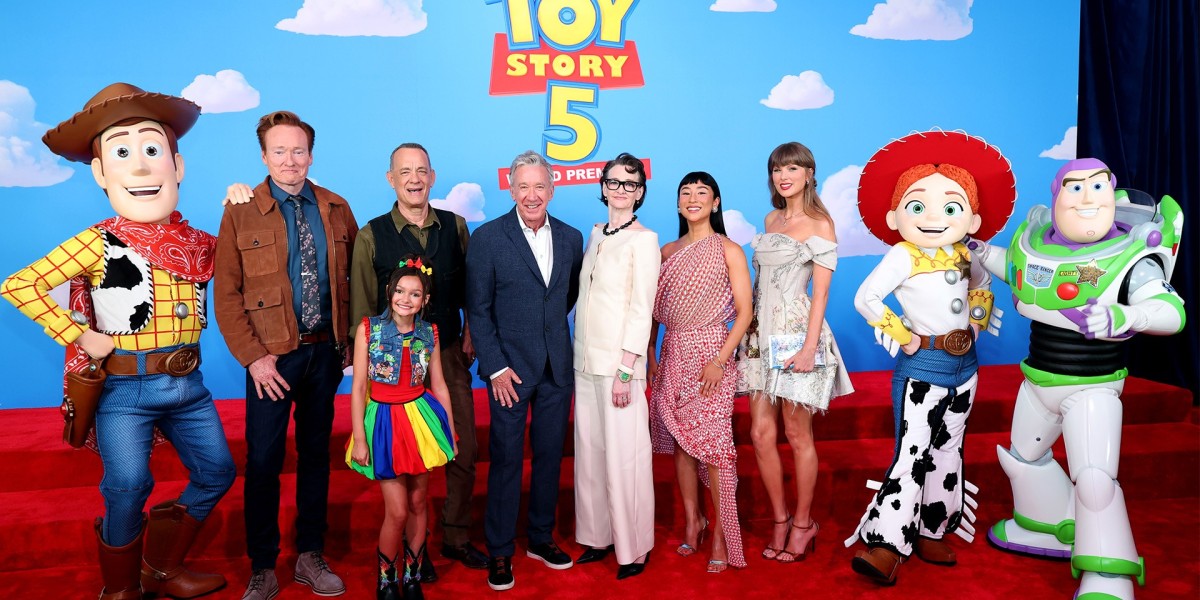
But Spielberg is not alone in propping up the traditional theatrical model. The studios are leaning heavily into the ironclad safety net of established intellectual property. Disney and Pixar’s *Toy Story 5* prepares to tug at the collective tear ducts of multiple generations on June 19th, while DC Studios and Warner Bros. aim to redefine their cinematic universe with the highly anticipated *Supergirl* on June 26th. These are massive, sprawling productions, visual behemoths designed to sell tickets, merchandise, and theme park tickets in equal measure. They represent the industry’s comfort food—a desperate, beautifully rendered plea for the status quo. The synergy extends beyond the screen; the Oscars buzz is already deafening for Taylor Swift’s original contribution to the *Toy Story 5* soundtrack, a wistful ballad titled "I Knew It, I Knew You." Swift’s involvement is a masterclass in cross-platform dominance, proving that when old Hollywood needs a guaranteed cultural footprint, they still call upon the reigning monarchs of pop music.
Yet, behind the velvet ropes of these glittering premieres, the actual, literal mechanics of making movies are undergoing a terrifyingly rapid transformation. The most significant news in film production this month does not involve a mercurial director or a runaway budget, but rather lines of code. The conversation has irrevocably shifted toward the integration of Artificial Intelligence in the editing bays and on the soundstages. The undeniable flashpoint of this technological anxiety arrived via iQIYI, the leading online entertainment platform, which recently launched *None Shall Escape*, a psychological thriller that has sent shockwaves through the various Hollywood guilds.
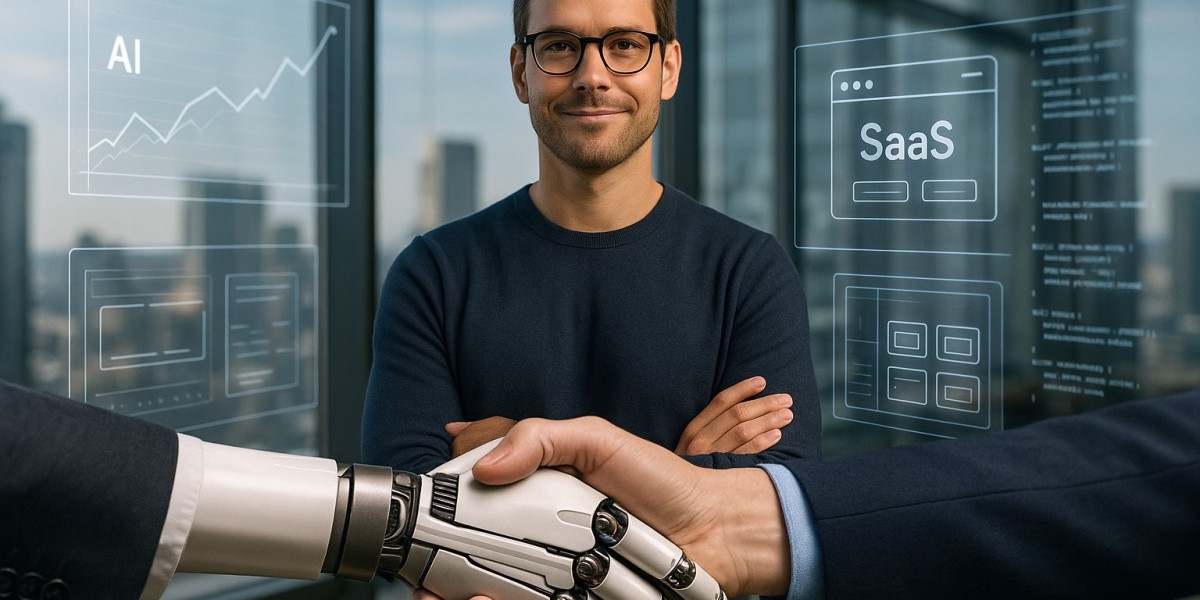
What makes *None Shall Escape* a watershed moment is not necessarily its plot, but its pedigree. The film was produced with the heavy, integrated support of NadouPro, an AI platform designed specifically for professional film and television production. As reported by *PR Newswire*, this unprecedented collaboration resulted in a staggering, industry-altering 50% improvement in overall shot production efficiency. Let that sink in. In an industry where time is quite literally millions of dollars, cutting the physical and temporal cost of shot production in half is not merely an innovation; it is a paradigm shift. For the studio accountants, it is the holy grail. For the cinematographers, the storyboard artists, and the below-the-line crews who have spent decades honing their crafts, it is a harbinger of existential dread.
The NadouPro integration means that AI is no longer a hypothetical parlor trick or a tool relegated to deepfakes and minor visual effects touch-ups. It is now actively dictating the pacing, the framing, and the efficiency of the narrative itself. It forces a deeply uncomfortable question that is currently reverberating through the canyons of the Hollywood Hills: if an algorithm can compose a scene, balance the lighting, and execute the shot list with 50% more efficiency than a human crew, what happens to the soul of the cinema? Are we entering an era of frictionless, perfectly optimized content, stripped of the beautiful, messy human errors that often birth cinematic genius?
While traditional filmmakers grapple with the existential threat of AI, they are simultaneously fighting a turf war on a completely different front: the multiplex itself. The disruption of Hollywood in June 2026 is not merely technological; it is profoundly demographic. The studio system is suddenly finding itself sharing marquee space—and box office receipts—with the internet’s favorite children. The most fascinating trend of the summer is the sudden, undeniable theatrical dominance of films birthed from the minds of YouTube creators and digital influencers.
Independent, creator-driven films like *Obsession* and the liminal-horror sensation *Backrooms* are currently packing theaters with a demographic that Hollywood has spent a decade desperately trying to court: Gen Z. These aren't just scaled-up web series; they are legitimate, theatrical events. As highlighted by *Screen Daily* in their coverage of recent producer conferences, the stars of the internet are no longer content with viewing figures on a dashboard; they want the cultural validation of the cinema. And they are bringing their massive, built-in, fiercely loyal audiences with them. To understand the visual language and the frenetic, hyper-referential aesthetic of this new era of creator-filmmakers, one need only look at the digital mood boards and video essays proliferating online, such as this widely circulated breakdown of modern cinematic aesthetics (https://www.youtube.com/watch?v=SwXo_PXulTc), which perfectly encapsulates the shifting paradigm from classical framing to algorithmic engagement.
This crossover is democratizing the box office in a way that deeply terrifies traditional marketing executives. Why spend one hundred million dollars on a global Print and Advertising campaign, blanketing billboards and television spots, when a creator can simply drop a vlog or a TikTok that instantly mobilizes five million teenagers to buy advance tickets? The traditional Hollywood gatekeepers are being forced to realize that Gen Z actually *does* want to go out to the theaters; they just want to see themselves and their specific internet cultures reflected on the screen, rather than another reboot of a franchise older than their parents.
This cultural fragmentation extends to the smaller screens as well. The year 2026 has already been crowned by *Newsweek* as the "Year of Adaptations," a trend cresting this June with a surge of book-to-screen projects flooding the streaming services. Prime Video’s adaptation of Carley Fortune’s hit novel *Every Summer After* debuted to massive numbers on June 10th, proving that the appetite for literary romance remains insatiable. Meanwhile, the prestige television landscape is bracing for the return of HBO’s *House of the Dragon*, a high-fantasy juggernaut that feels almost quaint in its reliance on massive physical sets, practical effects, and classical Shakespearean plotting amidst the AI revolution.
And what is a cultural revolution without a soundtrack? Hollywood never operates in a vacuum, and as the theaters fill up, the global airwaves are being utterly dominated by the reigning queens of pop music, who are providing the emotional undercurrent for this chaotic summer. Olivia Rodrigo, the poet laureate of Gen Z angst, released her highly anticipated third studio album, *You Seem Pretty Sad for a Girl So In Love*, on June 12th. Following the massive success of singles like "drop dead," the album perfectly mirrors the cultural mood—a cocktail of hyper-awareness, digital fatigue, and raw, unfiltered emotion. Simultaneously, Ariana Grande kicked off her sprawling *Eternal Sunshine Tour* in Oakland, a glittering, high-budget spectacle that stands in stark contrast to the shifting, uncertain ground of the film world. The pop music industry, it seems, has managed to maintain the traditional, untouchable superstar narrative, even as the concept of the "movie star" faces an existential crisis. The biopic *Michael*, chronicling the life of Michael Jackson, is further bridging the gap between cinema and music, reigniting a massive wave of nostalgia and dance trends across TikTok, proving that legacy IP can still thrive in the short-form video ecosystem.
Ultimately, to observe the landscape of pop culture and film production in June 2026 is to witness an industry in the throes of a spectacular, terrifying metamorphosis. It is a world where Steven Spielberg and a YouTube vlogger are competing for the same premium large-format screens. It is a reality where a Taylor Swift ballad can buoy a multi-billion dollar animated franchise, while an artificial intelligence program dictates the efficiency of a psychological thriller.
The glamour of Hollywood—the red carpets, the flashing bulbs, the breathless Vanity Fair profiles—has always been a carefully constructed illusion, a beautiful façade hiding a ruthless, highly mechanized business. But this summer, the machinery is changing. The algorithms are no longer just predicting what we want to watch; they are beginning to dictate how it is made. As the smog clears over the Hollywood sign this June, the true masters of the universe are no longer just the executives in the corner suites. They are the coders in Silicon Valley and the creators in their bedrooms, rewriting the script of pop culture in real-time. The cameras are still rolling, but the director’s chair has never looked so crowded.